Rolex and the Measure of Time – From Orbit to Oblivion
Sentimentality has no value. Every object carried beyond Earth must justify its existence through function alone. That reality makes the presence of Rolex watches aboard the International Space Station all the more revealing – not as luxury statements, but as instruments trusted in one of the most unforgiving environments known to man.
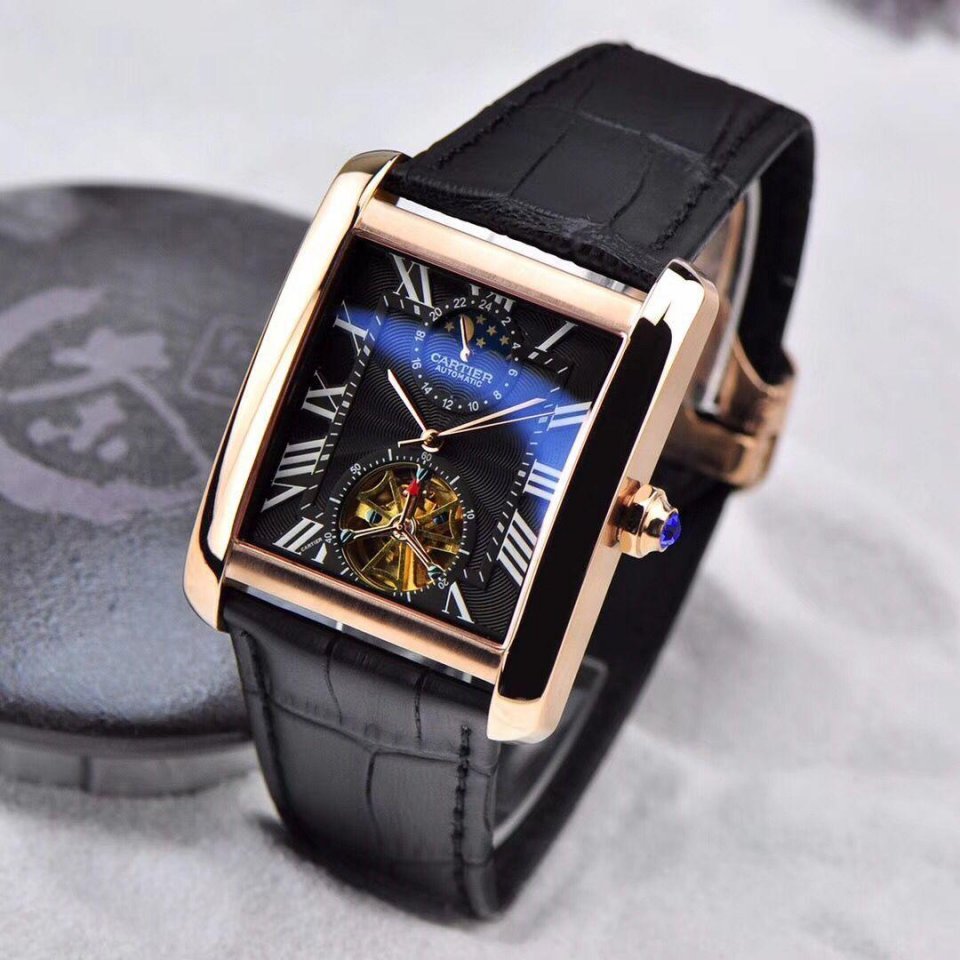
Among modern astronauts, few embody this ethos more completely than Jonny Kim. A former Navy SEAL, combat-decorated veteran, medical doctor, and NASA astronaut, Kim’s watch choices form an unintentional but compelling case study in replica Rolex’s enduring legitimacy as a professional toolmaker. His rotation included a Rolex GMT-Master II, a Daytona, and a Submariner – three pillars of the Rolex catalog, each designed for a specific operational purpose, each tested not by marketing claims but by lived experience.
The GMT-Master II, long associated with aviation and global navigation, is perhaps the most historically aligned with space travel. Variants of the GMT were worn during the Apollo era by astronauts such as Edgar Mitchell and Jack Swigert, reinforcing its reputation as a watch for men operating across time zones where precision is non-negotiable. For Kim, the GMT served as a training companion and later as a working instrument aboard the ISS – an echo of the model’s original mandate.
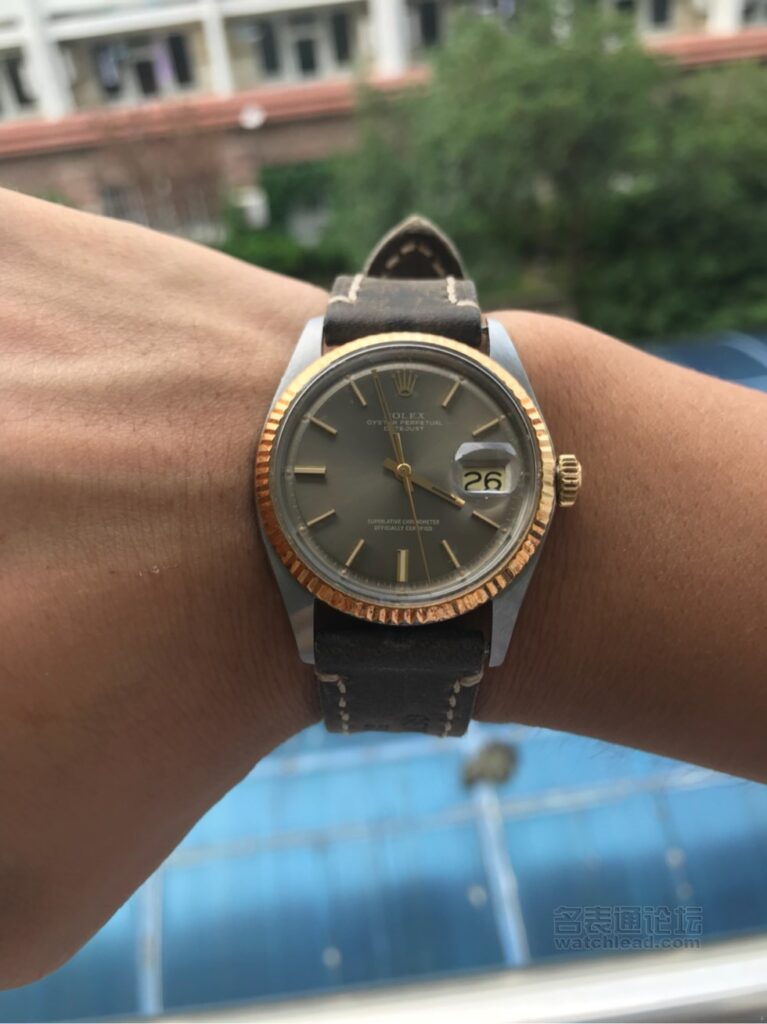
The Daytona, more commonly associated with motorsport, is rarer in orbit. Its appearance on Kim’s wrist was not symbolic but practical. In an environment where elapsed time governs experiments, physiology, and mission protocols, the chronograph regains its original purpose. The Daytona’s presence underscored a truth often forgotten in the modern hype cycle: it was conceived as a tool long before it became a trophy.
Then there is the Submariner. For a former SEAL, no Rolex is more intuitively aligned. Born from naval requirements and refined through decades of professional use, the Submariner represents Rolex at its most elemental – timekeeping stripped to necessity. Its use in space reinforces an essential point: environments change, but the need for legibility, durability, and reliability does not.
Yet Rolex’s association with extreme human endeavor did not begin in orbit. It was forged decades earlier, during a period when the future of civilization itself appeared uncertain.
In December 1942, as the Second World War reached its darkest phase, Rolex published an advertisement that departed radically from conventional marketing. Titled “There‘ll Always Be a Christmas,“ it depicted a solitary Allied watchstander beneath a star-filled sky, pausing to check his watch. The text did not extol precision or waterproofing. Instead, it spoke of faith, continuity, and the enduring meaning of time in moments when hope was fragile.
The following year, Rolex went further. Another advertisement showed children playing amid the ruins of a bombed church, gazing toward the Star of Bethlehem. No watch appeared. The message was not commercial – it was human. In an era of rationing, loss, and uncertainty, Rolex chose reassurance over persuasion.
What makes these advertisements remarkable is how closely they mirrored Hans Wilsdorf’s actions behind the scenes. During the war, Wilsdorf authorized the delivery of Rolex watches to Allied prisoners of war held in camps across Europe, including RAF officers imprisoned at Stalag Luft III. The watches were sent on credit, based solely on the promise that payment would be made after the war.
Among them was a stainless-steel Rolex chronograph, reference 3525, delivered to RAF Corporal James Nutting – one of the men involved in the construction of the tunnels used in the famed 1944 “Great Escape.” While the exact number of fake Rolex watches present during that operation will never be known, their role as tools – quietly marking time under unimaginable conditions – remains undeniable.
By some estimates, as many as 3,000 watches were distributed to prisoners in this manner. Whether Wilsdorf’s motivation was humanitarian, strategic, or a fusion of both is a matter of interpretation. What is clear is that Rolex was betting on endurance – of people, of principles, and of time itself.
The Swiss watch industry’s wartime history is complex, and Rolex was not immune to moral ambiguity. Switzerland’s neutrality, commercial realities, and geopolitical pressures complicate any simplified narrative. Yet the alignment between Rolex’s messaging and its actions during this period reveals something essential about the brand’s identity – an understanding that time is not merely measured, but experienced, endured, and remembered.
From the silence of low Earth orbit to the uncertainty of wartime captivity, Rolex watches have appeared not as symbols of excess, but as companions in moments where reliability mattered more than recognition. This is why Rolex has endured. Not because it sells watches, but because it understands what time means when everything else is stripped away.
